
Where AC water comes from
An air conditioner cools air by pulling moisture out of it. That moisture collects in a pan under the evaporator coil and leaves through a condensate drain line. When the line clogs, the pan overflows and water ends up on the floor, in the ceiling or around the air handler.
A refrigerant leak is a different problem. It does not produce water. It causes poor cooling and ice on the coil, and it is a job for an HVAC technician. We are plumbers, so we handle the water side.
Quick checks you can do safely
- 1
Turn off the AC.
Switch it off at the thermostat, and at the breaker if water is near the unit.
- 2
Look at the drain pan.
Check if it is full of water or has algae and slime.
- 3
Find where the condensate line ends.
It usually exits outside near the unit or drains to a plumbing fixture.
- 4
Check the filter.
A dirty filter can freeze the coil, and the melting ice can overflow the pan.
Common causes and who fixes them
| Cause | Sign | Who handles it |
|---|---|---|
| Clogged condensate line | Water in the pan or at the unit | Plumber or HVAC technician can clear it. |
| Cracked drain pan | Water at the unit with a clear drain | HVAC technician. |
| Frozen coil from a dirty filter | Ice, then a flood as it melts | Replace filter, HVAC if it repeats. |
| Disconnected drain line | Water at a joint | Plumber or HVAC technician. |
| Refrigerant leak | Warm air, ice, hissing | HVAC technician. |
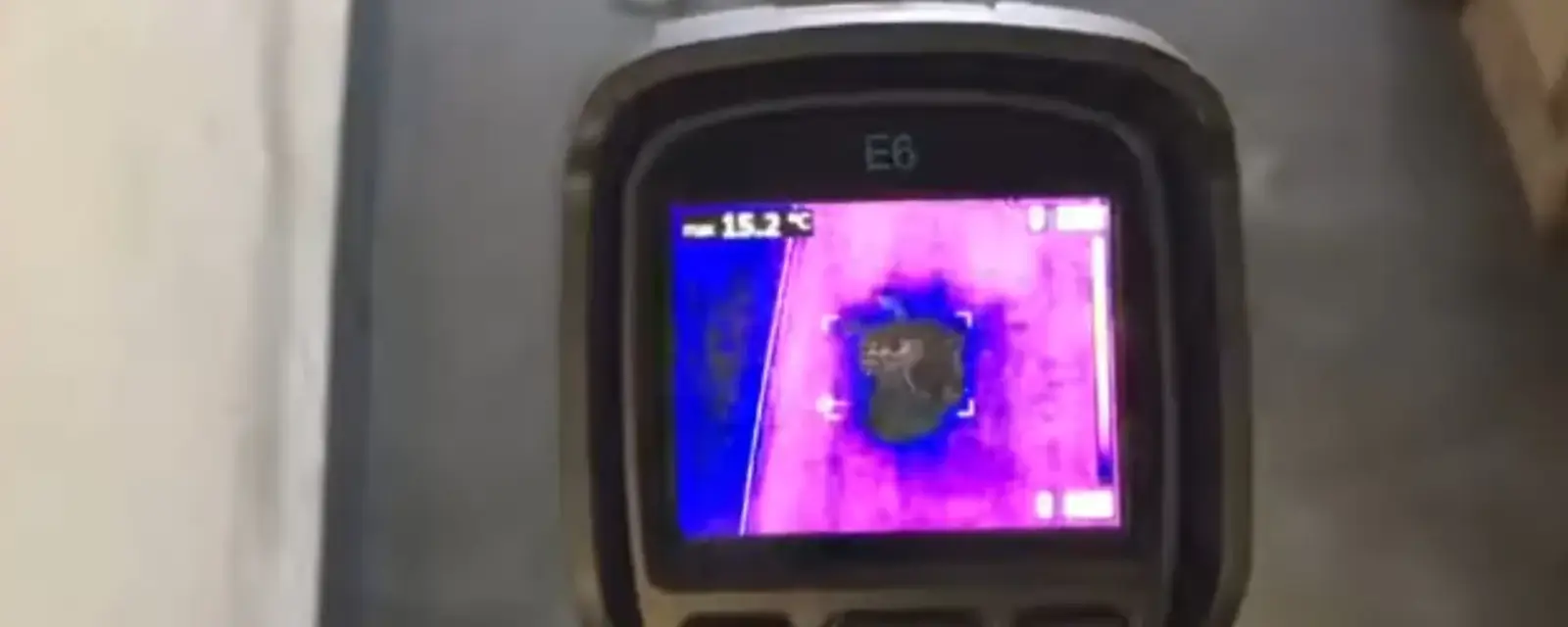
If the stain on your ceiling is not near the air handler, it may be a plumbing leak, and a leak detection visit finds it before you open the drywall.
Local note: Beaverton's climate and why this is a summer problem
Most Beaverton homes run air conditioning only in the warmest months, so the condensate line may sit dry and collect debris all winter and clog the first week of summer. A quick flush at the start of the cooling season prevents a lot of ceiling stains.
Attic air handlers are common in many local houses built from the 1960s through the 1990s. Water from a clogged pan in an attic travels along framing, so the visible stain may be some distance from the cause. If you rent, report it to the owner right away, since drywall damage grows quickly. About 52 percent of Beaverton homes are rented. In the Hillsboro area the same pattern applies, see the Hillsboro page.
What a plumber can do
We can clear a condensate line, check where it ties into the plumbing and make sure it has a proper trap and slope. If the drain connects to a sink trap or a floor drain, a clog downstream can be a household drain problem covered under drain cleaning. Where a condensate line ties into a plumbing drain, the connection follows the Oregon Plumbing Specialty Code, which is based on the Uniform Plumbing Code (UPC).
We do not recharge refrigerant or repair coils. If the plumber finds an HVAC fault, we say so and you can call your HVAC company.
How to clear a condensate line yourself, and when to stop
Many condensate clogs are simple algae and slime. If you can find the drain line's outdoor end or a cleanout tee near the air handler, you can often clear it. A wet-dry vacuum on the outdoor end pulls out the plug. Pouring a cup of diluted white vinegar into the cleanout tee slows new growth.
Stop if the line runs into the wall, if you cannot find an access point or if the pan itself is cracked. Forcing water or air through a disconnected or cracked line spreads the problem. A plumber or HVAC technician can trace it.
- Turn the AC off before you touch anything.
- Never pour bleach into a line that connects to a plumbing drain without checking with a plumber, because it can harm certain pipes.
- Wear gloves, since the water in the pan is full of growth.
- Put a few drops of dish soap or a pan tablet in the pan if the manufacturer allows it.
Prevent the next leak: a short maintenance routine
A little attention at the start of summer prevents most condensate leaks. Change the filter, flush the drain and look at the pan. Take a photo of the dry pan so you know what normal looks like.
Water stain on the ceiling and you are not sure where it came from? Call and a plumber will trace it.
A quick sorting guide before you call anyone
If the water is clear and appears at the air handler or its drain line, start with the condensate path. If it is on a ceiling far from the unit, trace plumbing first. If the system blows warm air or the coil is iced, call an HVAC company. Sorting the problem this way saves a wasted visit and a second call.
AC water leak questions
The condensate drain is often clogged, so the pan overflows. A dirty filter that freezes the coil can also overflow when the ice melts.
No. Refrigerant is not water. A refrigerant leak shows as weak cooling or ice, and an HVAC technician repairs it.
A plumber can clear and reconnect the drain line. HVAC repairs such as coils and refrigerant need an HVAC technician.
Turn off the AC, fix the cause and dry the area quickly. Check the attic if the air handler is up there.
Many homeowners do it at the start of the cooling season. Ask your HVAC provider about the method that fits your unit.